
Exploring the Wine Regions of California’s Central Coast
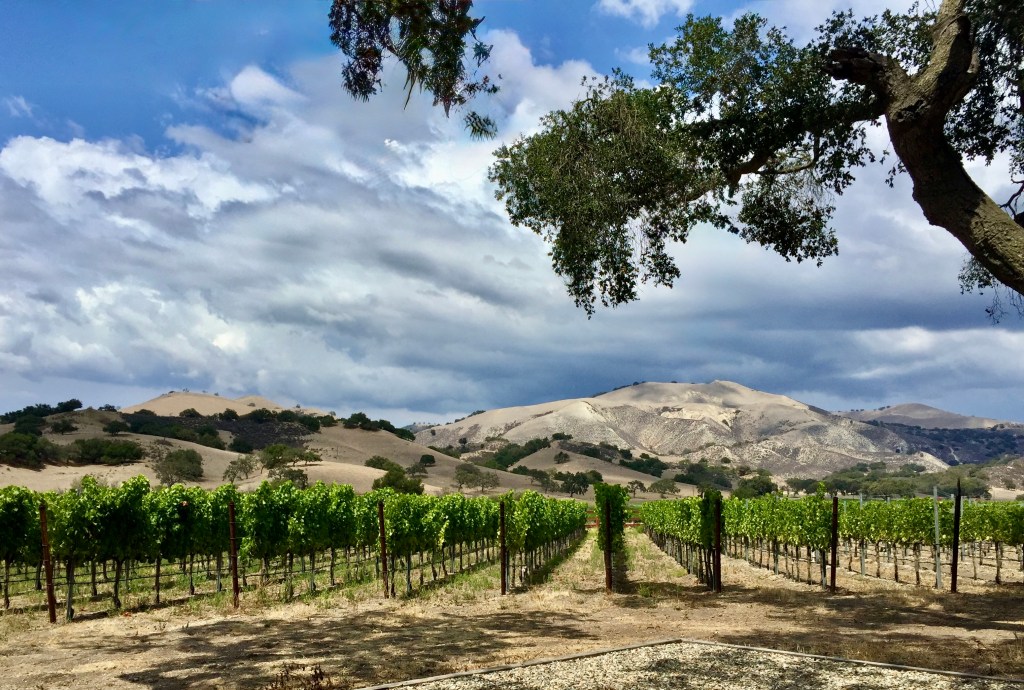
California’s Central Coast, stretching over 100,000 acres from Santa Barbara to Santa Cruz, is a treasure trove for wine enthusiasts. This area is where I first started my journey into wine and it holds a special place for me. This diverse and picturesque region boasts a unique array of microclimates and soils that make it one of the most exciting wine-growing areas in the state. From mountains and rolling hills to coastal valleys, the Central Coast produces a wide variety of world-class wines. Here’s a closer look at some of the key wine regions within this wine growing area.
Santa Barbara County
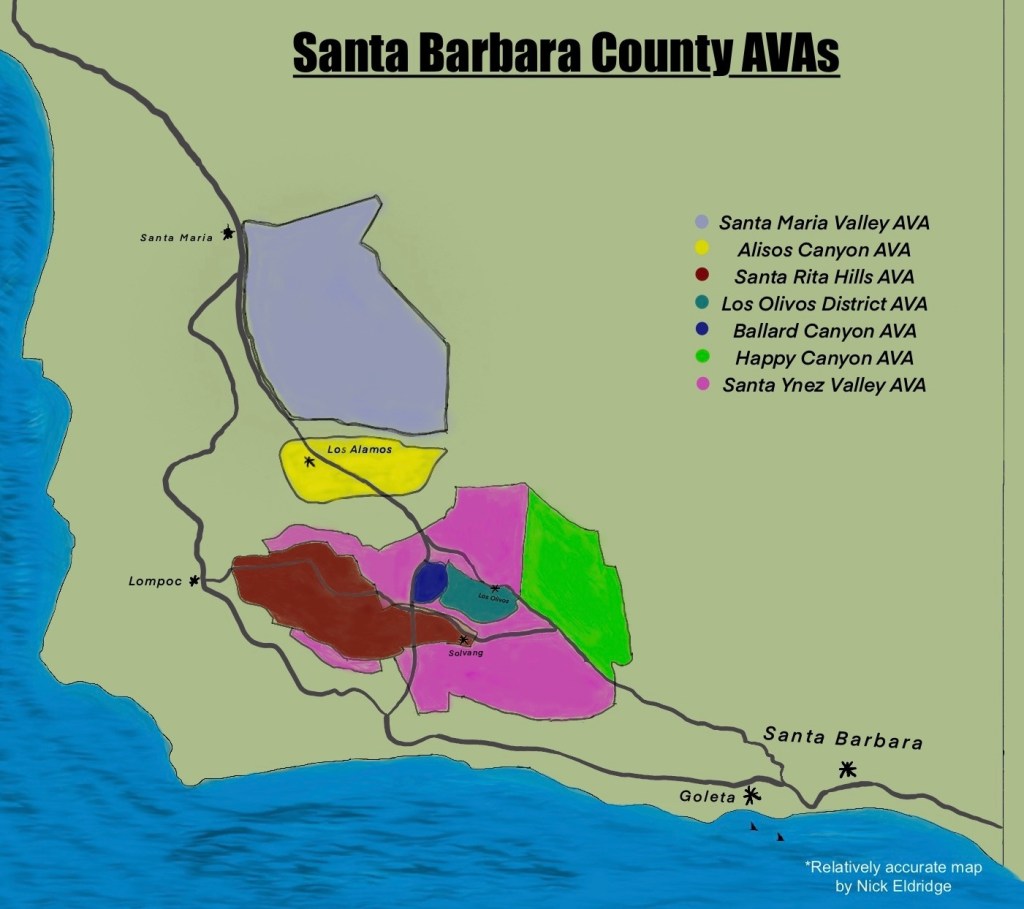
Santa Barbara County is renowned for its stunning scenery and excellent wines with around 300 wineries throughout the area. Chardonnay, Pinot Noir and Syrah are the most widely planted grapes in the county. The area is divided into several distinct wine regions:
- Santa Ynez Valley: Known for its varied microclimates and diverse soils, Santa Ynez Valley is home to numerous sub-regions such as Ballard Canyon, Happy Canyon, and Los Olivos District AVAs. The valley is celebrated for its Rhône varietals like Syrah and Grenache, as well as Pinot Noir and Chardonnay.
- Santa Maria Valley: This coastal region benefits from the marine influence of the Pacific Ocean. The East to West orientation allows the wind and fog from the Pacific help moderate the temperatures which leads to very long growing seasons. The area is particularly well-suited for Pinot Noir and Chardonnay, which thrive in the valley’s sandy, loamy soils.
- Sta. Rita Hills: Located within the Santa Ynez Valley, Sta. Rita Hills is famous for its exceptional cool-climate Pinot Noir and Chardonnay producing some of my favorite wines in the world. The region’s unique geography and coastal breezes contribute to the complexity and finesse of its wines. Some of the top vineyards in this AVA include Radian, Duvarita, Fiddlestix, John Sebastiano, and the Sanford & Benedict Vineyard which saw the first Pinot Noir planted in Santa Barbara county. A lot of producers in the area source their grapes from these vineyards that provide consistently amazing grapes for winemakers.
San Luis Obispo County

San Luis Obispo County, also referred to as SLO, offers a mix of coastal and inland wine-growing areas including the San Luis Obispo AVA, which was only established in 2022. The coastal climate helps preserve acidity on grapes such as Albariño and Pinot Noir resulting in bright, elegant wines. Some of the other growing areas in the county include:
- Paso Robles: One of the most prominent wine regions in California, Paso Robles is known for its rich and full-bodied wines. This hot climate region produces a wide range of Bordeaux varietals, including Zinfandel, Cabernet Sauvignon, and Rhône varietals like Grenache, Syrah and Viognier. Paso Robles’ diverse terroir, which includes everything from rolling hills to flat plains, contributes to its versatility and complexity.
- Edna Valley: Located near San Luis Obispo, Edna Valley is renowned for its cool climate and proximity to the ocean. This region excels in producing high-quality Pinot Noir and Chardonnay, with a focus on balance and elegance. The valley’s soils and climate create ideal conditions for these varietals to flourish.
Monterey County
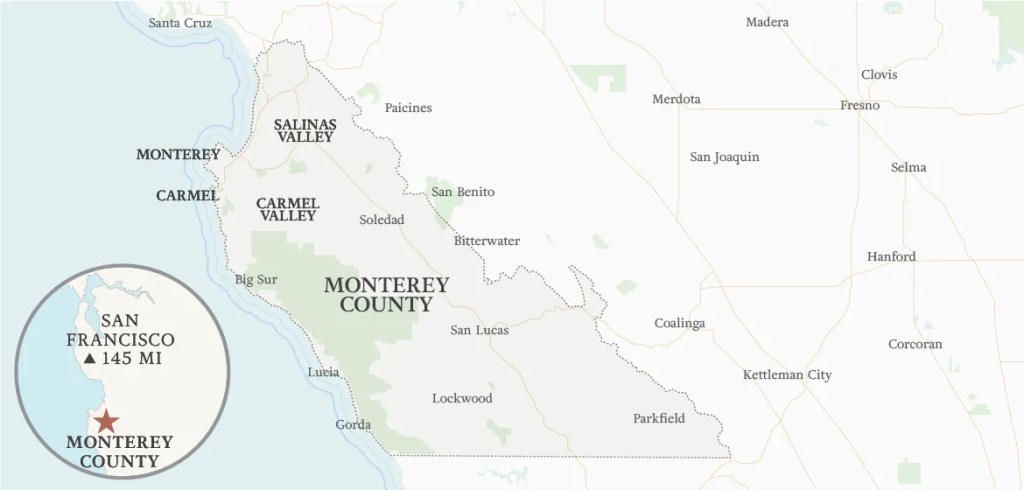
Monterey County, also with its cool coastal influence, has been producing wines in the area for over 250 years. Here are a couple of larger growing areas in the county:
- Carmel Valley: Nestled between the Santa Lucia Mountains and the Pacific Ocean, Carmel Valley is known for its microclimates that favor cool-climate varietals. The region is recognized for its exceptional Sauvignon Blanc, Chardonnay, and Cabernet Sauvignon.
- Santa Lucia Highlands: This AVA is located along the eastern slopes of the Santa Lucia Mountains. The cool, foggy climate is perfect for growing Pinot Noir and Chardonnay. The high elevation of the vineyards adds complexity and depth to the wines produced here.
- Monterey AVA: Encompassing several sub-regions, the Monterey AVA is known for its cool temperatures and diverse soil types. The region produces a wide range of varietals, including Pinot Noir, Chardonnay, and Rhône varietals like Viognier and Grenache.
Santa Cruz Mountains
Located along the rugged coastline just south of San Francisco, the Santa Cruz Mountains AVA is a place where vineyards cling to steep, forested slopes, often hidden from view, and the Pacific Ocean’s influence is a constant, defining factor.
This proximity to the Pacific creates a unique microclimate characterized by cool, foggy mornings, warm, sunny afternoons, and significant diurnal temperature swings (the difference between day and night temperatures). This lengthy, cool growing season allows grapes to ripen slowly and evenly, developing complex flavors and maintaining bright acidity.
The geology here is also incredibly diverse, with a mosaic of soil types ranging from marine sedimentary to volcanic. This contributes to the distinct character of wines from different vineyards, even those just a short distance apart.
While the region grows a variety of grapes, the Santa Cruz Mountains AVA is particularly renowned for its:
- Cabernet Sauvignon: Surprisingly, given the cool climate, some pockets of the AVA produce exceptional Cabernet Sauvignon, particularly on warmer, higher elevation sites. These wines are typically structured, age-worthy, and display dark fruit, herbal, and earthy characteristics.h.
- Pinot Noir: These wines are often celebrated for their elegance, aromatic complexity, and vibrant acidity, showcasing red fruit flavors, earthy notes, and a long finish.
- Chardonnay: Unlike the butter-bombs of some other regions, Santa Cruz Mountains Chardonnays tend to be leaner, more mineral-driven, and expressive of their cool-climate origins, often with notes of citrus, green apple, and a hint of salinity.
The Central Coast of California offers an exceptional variety of wine regions, each with its own unique characteristics and specialties. From the delicious cool-climate Pinot Noir of Sta. Rita Hills to the robust Zinfandel from the hotter climate of Paso Robles, this region provides a diverse array of options for wine lovers. The climates of the central coast vary so much, you can find almost any grape varietal being grown in one of the vineyards here. Whether you’re a seasoned connoisseur or a casual sipper, exploring the Central Coast’s wineries promises an unforgettable experience. The blend of stunning landscapes, innovative winemaking, and diverse terroirs make California’s Central Coast a must-visit destination for any wine enthusiast.
 NickUncorked
Leave a comment